Econopred Eye Drops: An Introduction to the Generic Eye Drops and How They Work
When it comes to managing various eye conditions, eye drops are often prescribed by doctors. One popular and effective option is Econopred eye drops. This article will provide an in-depth introduction to Econopred eye drops, including how they work and what conditions they are commonly used for.
What are Econopred Eye Drops?
Econopred eye drops belong to a group of medications known as corticosteroids. These drops contain the active ingredient prednisolone acetate, which is a synthetic corticosteroid that helps to reduce inflammation in the eyes. Inflammation can be caused by a variety of eye conditions, including allergies, conjunctivitis, and uveitis. Econopred eye drops are available in both generic and brand-name forms.
How Do Econopred Eye Drops Work?
Econopred eye drops work by suppressing the immune response in the eyes, which helps to reduce inflammation. When the drops are applied directly to the eye, they are absorbed by the ocular tissues and work locally to reduce redness, itching, and swelling. Econopred eye drops are typically used for short-term treatment, as prolonged use of corticosteroids can have side effects.
Conditions Treated with Econopred Eye Drops
Econopred eye drops are commonly used to treat a variety of eye conditions, including:
- Allergic conjunctivitis
- Vernal keratoconjunctivitis
- Iritis
- Cyclitis
- Postoperative inflammation
These eye drops can help relieve symptoms such as eye redness, itching, swelling, and discomfort associated with these conditions.
Application and Dosage
Econopred eye drops should be used exactly as prescribed by a doctor. The typical dosage for adults is one or two drops in the affected eye(s) every two to four hours. The frequency and duration of use may vary depending on the severity of the condition. It is important to follow the doctor’s instructions and not to exceed the recommended dosage.
Possible Side Effects
Like any medication, Econopred eye drops can have side effects. Some common side effects include:
- Blurred vision
- Eye irritation or discomfort
- Increase in intraocular pressure
- Allergic reactions
If any of these side effects occur or worsen, it is important to consult a doctor.
Econopred eye drops are a trusted and effective option for managing various eye conditions. However, it is important to use them under the guidance of a healthcare provider to ensure safety and effectiveness. If you have any questions or concerns about Econopred eye drops, consult your doctor or pharmacist.
Ayurveda Eye Drops: An Alternative Solution for Eye Care
Ayurveda, the ancient Indian system of medicine, offers various herbal remedies for maintaining eye health. Ayurvedic eye drops, also known as Netra Jyoti or Netra Tarpana, are one of the traditional formulations used in Ayurvedic practices for treating various eye conditions.
How do Ayurveda eye drops work?
Ayurvedic eye drops are believed to work by nourishing and rejuvenating the eyes, promoting eye health, and relieving common eye problems such as dryness, redness, fatigue, and irritation. These eye drops are usually made from natural ingredients like herbs, oils, and extracts.
Common ingredients in Ayurvedic eye drops:
| Ingredient | Benefits |
|---|---|
| Triphala | Reduces inflammation, soothes dry eyes, and promotes eye health |
| Rose water | Relieves redness and irritation, refreshes tired eyes |
| Amla | Rich in Vitamin C, helps improve vision and overall eye health |
| Honey | Moisturizes and soothes the eyes, provides relief from dryness |
Benefits of Ayurvedic eye drops:
- Relieves dryness, redness, and irritation
- Moisturizes and soothes tired eyes
- Improves vision clarity
- Reduces eye fatigue and strain
- Promotes overall eye health
How to use Ayurvedic eye drops:
It is recommended to consult an Ayurvedic practitioner or healthcare professional before using Ayurvedic eye drops. The usage instructions may vary depending on the brand and formulation. Generally, a few drops of the eye drops are instilled into each eye, and gentle blinking helps spread the drops throughout the eye.
Precautions and potential side effects:
While Ayurvedic eye drops are generally considered safe, it is important to note that individual experiences may vary. Some individuals may be allergic to specific ingredients, so it is advisable to check the ingredients list before using Ayurvedic eye drops. It is also recommended to avoid self-diagnosis and consult a healthcare professional for underlying eye conditions or persistent symptoms.
Conclusion:
Ayurvedic eye drops offer an alternative solution for maintaining eye health and alleviating common eye problems. The natural ingredients used in these eye drops provide nourishment, relief, and promote overall eye health. However, it is important to consult a healthcare professional before using Ayurvedic eye drops to ensure safety and effectiveness.
Can you use eye drops as saline solution? Exploring the differences and similarities
When it comes to eye care, using the right solution is crucial. Many people wonder if eye drops can be used as a saline solution, especially when they run out of saline solution or need to clean their contact lenses. In this article, we will explore the differences and similarities between eye drops and saline solution to help you make an informed decision.
The purpose of eye drops
Eye drops are primarily used to treat various eye conditions such as dry eyes, redness, allergies, and infections. They contain active ingredients that help relieve symptoms and promote healing. Depending on the type of eye drop, they may lubricate the eyes, reduce inflammation, or fight bacterial or viral infections.
The purpose of saline solution
Saline solution, on the other hand, is a sterile saltwater solution. It is commonly used for cleaning contact lenses, rinsing out the eyes, and as a nasal spray. Saline solution is isotonic, meaning it has the same salt concentration as our tears and bodily fluids, making it safe and gentle for various applications.
Differences between eye drops and saline solution
While both eye drops and saline solution can be used to rinse the eyes, there are some key differences to consider:
- Active ingredients: Eye drops contain active ingredients tailored to specific eye conditions, while saline solution is simply a saltwater solution.
- Treatment purposes: Eye drops are designed to treat specific eye conditions, while saline solution is primarily used for rinsing and cleaning purposes.
- Preservatives: Eye drops often contain preservatives to increase their shelf life, while preservative-free saline solutions are also available.
Similarities between eye drops and saline solution
Despite their differences, eye drops and saline solution share some similarities:
- Safety: Both eye drops and saline solution are generally safe when used as directed.
- Gentleness: Saline solution and preservative-free eye drops are gentle on the eyes.
- Rinsing: Both can be used to rinse out the eyes, although eye drops may offer additional benefits depending on the specific condition being treated.
It’s important to note that while saline solution can be used as a temporary alternative, it is not a substitute for proper eye care or medication prescribed by a healthcare professional. If you have a specific eye condition or require treatment, it is best to consult with an eye doctor or pharmacist for appropriate recommendations.
“Using the right solution for your eyes is crucial. While eye drops and saline solution share some similarities, they have different purposes and ingredients. Saline solution is primarily used for rinsing and cleaning, while eye drops treat specific eye conditions. It is always best to consult a healthcare professional for personalized advice.”

Bimat eye drops are used to treat hypotrichosis, short, weak eyelashes. Bimat increases the length, thickness and enhances the color of eyelashes. These substances are also used to lower intraocular pressure in patients with a diagnosis of glaucoma. By reducing the pressure, the risk of blindness is significantly decreased.
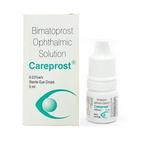
These drops gained immense popularity, demonstrating an incredibly fast and always noticeable result since its application. This innovative means will allow you to give your eyelashes an ideal look, strength and health, in whatever serious condition they are before the moment of its application. It is safe and effective providing amazing results.
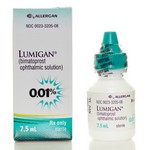
This means is prescribed to reduce eye pressure. Its active ingredient is synthetic prostaglandin bimatoprost – an unsaturated fatty acid, similar in its properties to hormones. Getting into the eye, drops help maintain the balance of the flow and outflow of eye fluid. It is a violation of this balance that leads to an increase in pressure, due to which the blood supply to the eye is impaired and the load on the optic nerve increases.

Bimatoprost reduces IOP in humans by increasing the outflow of aqueous humor through the trabecular meshwork and uveoscleral outflow. IOP reduction begins about 4 hours after the first use. The maximum effect is achieved after about 8–12 hours. The effect lasts for at least 24 hours.
Tips for putting drops in a toddler’s eye: Ensuring safety and effectiveness
When it comes to administering eye drops to toddlers, it can be a challenging task. However, with the right techniques and following safety measures, you can make the process easier and more effective. Here are some tips to help you successfully put drops in a toddler’s eye:
1. Create a comfortable environment
Ensure that you are in a comfortable and well-lit room when administering eye drops to your toddler. It’s important to have a calm and soothing environment to reduce the child’s anxiety and resistance.
2. Seek assistance if needed
If you feel overwhelmed or unsure about administering the eye drops, it can be helpful to have someone else to assist you. This can be another caregiver or family member who can help hold the child’s head steady and keep them calm during the process.
3. Explain the process
Before attempting to put eye drops in your toddler’s eyes, it’s important to explain the process in simple terms they can understand. You can use words like “medicine for your eyes” and reassure them that it will help them feel better. This can help reduce their anxiety and make them more cooperative.
4. Use distraction techniques
Toddlers can be easily distracted, so using distraction techniques can be helpful during the administration of eye drops. This can include singing a favorite song, playing a game or using a toy to keep their attention away from the eye drops.
5. Positioning is key
Proper positioning is crucial to ensure the effectiveness of the eye drops. Have your toddler lie down on their back or tilt their head back slightly while you gently pull down their lower eyelid to create a small pocket. Carefully administer the drops into this pocket, making sure to avoid touching the eye with the dropper.
6. Be prepared for resistance
It’s not uncommon for toddlers to resist having eye drops administered. They might squirm, cry, or even close their eyes tightly. Stay calm and patient during the process and try your best to keep their eyes open. If necessary, gently hold their eyelids open using your fingers.
7. Reward and praise
After successfully administering the eye drops, make sure to praise and reward your toddler for their cooperation. This positive reinforcement can help them associate the process with something positive, making it easier for future administrations.
Remember, it’s important to consult with a healthcare professional or pediatrician for specific instructions on administering eye drops to your toddler. They can provide personalized guidance based on your child’s needs.
Sources:
1. Mayo Clinic – [link](https://www.mayoclinic.org/)
2. American Academy of Pediatrics – [link](https://www.aap.org/)
Understanding the Benefits and Uses of Joltz Eye Drops
When it comes to eye care, there are numerous options available in the market. One such option is Joltz eye drops, which are widely used and known for their effectiveness in providing relief for various eye conditions. Let us take a closer look at the benefits and uses of Joltz eye drops.
What are Joltz Eye Drops?
Joltz eye drops are a type of medicated eye drops that are commonly used to provide relief for dry eyes and other related conditions. The active ingredient in Joltz eye drops is hydroxypropyl methylcellulose (HPMC), which is a lubricant that helps to moisturize and soothe the eyes.
The Benefits of Joltz Eye Drops
Joltz eye drops offer several benefits for eye care:
- Relief for Dry Eyes: Dry eyes can be uncomfortable and can cause itching, burning, and a gritty feeling in the eyes. Joltz eye drops provide instant relief by lubricating the eyes and reducing dryness.
- Protection from Environmental Factors: Joltz eye drops form a protective layer on the surface of the eyes, which helps to shield them from dust, pollutants, and other environmental factors that can irritate the eyes.
- Refreshment for Tired Eyes: If you spend long hours in front of a screen or engaged in activities that strain the eyes, Joltz eye drops can help refresh and revitalize tired eyes.
- Relief for Allergic Conjunctivitis: Joltz eye drops can also provide relief for allergic conjunctivitis, a condition characterized by redness, itchiness, and watering of the eyes due to allergies.
Using Joltz Eye Drops
Using Joltz eye drops is easy and straightforward. Here are some steps to follow:
- Wash your hands thoroughly before using Joltz eye drops.
- Tilt your head back and pull your lower eyelid down to create a small pocket.
- Squeeze the prescribed number of Joltz eye drops into the pocket formed by the lower eyelid. Be careful not to touch your eye or eyelid with the dropper tip to avoid contamination.
- Close your eyes gently for a minute or two to allow the eye drops to spread evenly across the surface of the eyes.
- If you are using any other eye drops or medications, wait for at least 5 minutes before applying them, as this will prevent any potential interactions between the different medications.
It is important to follow the instructions provided by your healthcare professional or the packaging of the Joltz eye drops for the correct dosage and frequency of use. If your symptoms persist or worsen, consult with your healthcare professional.
Conclusion
Joltz eye drops are an effective option for relieving various eye conditions, including dry eyes, tired eyes, and allergic conjunctivitis. They provide instant relief and protection while keeping the eyes lubricated and moisturized. By following the correct usage instructions and consulting with a healthcare professional if needed, you can make informed decisions regarding your eye care.
Comparing Different Types of Eye Drops: Which One is Right for You?
When it comes to choosing the right eye drops, it’s important to understand the different types available and their specific uses. From dryness and allergies to infections and inflammation, there are eye drop solutions designed to target various eye conditions. Here, we will compare some popular eye drops to help you make an informed decision:
1. Artificial Tears
– Main Ingredient: Polyethylene glycol or carboxymethylcellulose sodium
– Purpose: Lubricates the eyes and provides relief from dryness and irritation
– Benefits: Can be used by individuals of all ages, including those with contact lenses
– Brand Examples: Refresh Tears, Systane Ultra
2. Antihistamine Eye Drops
– Main Ingredient: Antihistamine like pheniramine maleate or ketotifen fumarate
– Purpose: Relieves itching, redness, and other allergy-related symptoms in the eyes
– Benefits: Provides quick relief from allergy symptoms, including those caused by pollen, dust, or pet dander
– Brand Examples: Zaditor, Alaway
3. Antibiotic Eye Drops
– Main Ingredient: Antibiotics like gentamicin or tobramycin
– Purpose: Treats bacterial eye infections, such as conjunctivitis or pink eye
– Benefits: Helps eliminate bacteria causing the infection and reduces inflammation
– Brand Examples: Tobrex, Vigamox
4. Steroid Eye Drops
– Main Ingredient: Corticosteroids like prednisolone or dexamethasone
– Purpose: Reduces inflammation and swelling in the eyes due to various conditions
– Benefits: Provides relief from severe eye allergies, dry eyes, or inflammation caused by eye surgery
– Brand Examples: FML, Alrex
5. Lubricating Eye Gel
– Main Ingredient: Carbomer or hydroxypropyl methylcellulose
– Purpose: Provides longer-lasting lubrication and relief from severe dry eyes
– Benefits: Ideal for nighttime use or for individuals with chronic dry eye symptoms
– Brand Examples: Systane Gel Drops, Refresh Liquigel
6. Combination Eye Drops
Combination eye drops are formulated with multiple active ingredients to target a range of symptoms in one product. These types of eye drops can be helpful for individuals who require relief from different eye conditions simultaneously. For example:
– Allergy Relief + Lubrication: Some eye drops combine antihistamines with lubricating agents to relieve allergy symptoms while also providing moisture and relief from dryness. These can be beneficial for individuals with allergic conjunctivitis and dry eye syndrome.
– Antibiotic + Steroid: In cases where an eye infection also involves inflammation, doctors might prescribe combination eye drops containing both an antibiotic and a steroid. This helps to treat the infection while also reducing swelling and irritation.
When considering combination eye drops, it’s important to consult with your eye care professional to ensure the correct combination and dosage for your specific condition.
Conclusion
Choosing the right eye drops depends on your specific eye condition and symptoms. Understanding the different types available and their purposes can help you make an informed decision. It is always recommended to consult with an eye care professional or pharmacist for personalized recommendations and guidance.
Comparing different types of eye drops: Which one is right for you?
When it comes to eye drops, there are various types available on the market, each designed to address different eye conditions and concerns. Choosing the right eye drops for your needs can be overwhelming, but understanding the differences between them can help you make an informed decision. In this section, we will compare the most common types of eye drops and their uses.
1. Artificial Tears
Artificial tears are lubricating eye drops that help relieve dryness and irritation in the eyes. They work by moisturizing the surface of the eye and providing temporary relief from symptoms such as itching, burning, and redness. Artificial tears are suitable for individuals with mild to moderate dry eye syndrome or those who experience occasional dryness or discomfort due to environmental factors like wind or air conditioning.
2. Allergy Eye Drops
Allergy eye drops, also known as antihistamine eye drops, are specifically formulated to relieve symptoms of eye allergies, such as itching, redness, and watery eyes. These eye drops work by blocking the histamine receptors in the eyes, which are responsible for allergic reactions. Allergy eye drops are ideal for individuals suffering from seasonal or environmental allergies.
3. Antibiotic Eye Drops
Antibiotic eye drops are prescribed to treat bacterial eye infections, such as conjunctivitis (pink eye) or other forms of bacterial keratitis. These eye drops contain antibiotics that help kill the bacteria causing the infection. It is important to note that antibiotic eye drops should only be used under the supervision of a healthcare professional and for the recommended duration to avoid antibiotic resistance.
4. Steroid Eye Drops
Steroid eye drops, also known as corticosteroids, are prescribed to reduce inflammation in the eyes caused by various conditions, including allergic reactions, uveitis, or other inflammatory eye diseases. They work by suppressing the immune response and reducing swelling and redness. Steroid eye drops should only be used under the guidance of a healthcare professional due to their potential side effects and should not be used for long-term treatment.
5. Glaucoma Eye Drops
Glaucoma eye drops are prescribed to lower intraocular pressure and prevent optic nerve damage in individuals with glaucoma. These eye drops work by either reducing the production of fluid in the eye or increasing its drainage. There are different classes of glaucoma eye drops, including prostaglandin analogs, beta-blockers, alpha agonists, and carbonic anhydrase inhibitors. The choice of glaucoma eye drops depends on various factors, such as the severity of the condition and individual patient characteristics.
6. Lubricating Eye Drops for Contact Lens Wearers
For individuals who wear contact lenses, there are specific lubricating eye drops designed to provide relief from dryness and discomfort caused by lens wear. These eye drops can help moisturize the eyes and prevent lens-related irritation. It is important to choose lubricating eye drops specifically formulated for contact lens wearers to avoid interactions with the lenses and maintain their cleanliness.
Conclusion
Choosing the right eye drops depends on your specific eye condition or concern. It is always recommended to consult with an eye care professional or healthcare provider before starting any new medication or treatment. They can provide personalized recommendations and guidance based on your individual needs and help you select the most appropriate eye drops for your eyes. Remember to follow the instructions for use and consult a professional if you experience any adverse effects or if your symptoms persist.