Overview of Brimonidine Tartrate Eye Drops
Brimonidine tartrate eye drops are a commonly prescribed medication used to treat glaucoma. Glaucoma is a group of eye disorders that can lead to damage to the optic nerve and vision loss. These eye drops work by reducing intraocular pressure, which is the pressure inside the eye.
Usage and Benefits:
- Brimonidine tartrate eye drops are typically used to lower intraocular pressure in patients with open-angle glaucoma or ocular hypertension.
- These eye drops can help prevent or delay the progression of glaucoma and protect against optic nerve damage.
- They are usually administered as one drop in the affected eye(s) twice daily, as directed by a healthcare professional.
How Brimonidine Tartrate Eye Drops Work:
Brimonidine tartrate eye drops belong to a class of medications called alpha-adrenergic agonists. These drops work by reducing the production of aqueous humor, the fluid inside the eye that helps maintain eye pressure. By decreasing the production of this fluid, the pressure inside the eye is lowered, which can help manage glaucoma and prevent further damage to the optic nerve.
Brimonidine tartrate eye drops are available with a prescription and can be obtained from various pharmacies or online retailers. It is important to follow the instructions provided by your healthcare provider and adhere to the recommended dosage and usage schedule.
More information on Brimonidine tartrate eye drops can be found at:
Pricing and Availability of Brimonidine Tartrate Eye Drops
When it comes to purchasing Brimonidine tartrate eye drops in the United States, it is important to consider the average cost and availability across different pharmacies and online retailers. The price of Brimonidine tartrate eye drops can vary depending on factors such as the brand, the specific formulation, and the quantity.
Average Cost:
On average, Brimonidine tartrate eye drops can cost around $100 to $150 for a 5 ml bottle without insurance coverage. However, prices may range from as low as $80 to as high as $200 or more, depending on the retailer and location. It is worth noting that the cost can be significantly higher for branded versions compared to generic alternatives.
Pharmacy and Online Retailers:
Brimonidine tartrate eye drops can be found at various pharmacies and online retailers. Here are some examples of the average prices found at popular retailers:
| Retailer | Price for 5 ml Bottle |
|---|---|
| Walgreens | $100 |
| CVS | $120 |
| Rite Aid | $130 |
| Walmart | $90 |
| Online Retailer A | $95 |
| Online Retailer B | $110 |
These prices are approximate and may vary depending on location and current promotions. It is always advisable to check with the specific retailer for the most accurate and up-to-date pricing information.
Generic Alternatives:
Generic versions of Brimonidine tartrate eye drops are available and can be a more cost-effective option. The generic versions contain the same active ingredient in the same concentration as the branded products, but at a lower price point. The cost difference between branded and generic versions can be significant, with generic options ranging from $40 to $80 for a 5 ml bottle. It is important to consult with a healthcare professional or pharmacist to determine if a generic alternative is suitable for the individual and their specific needs.
Additionally, it is worth mentioning that some pharmacies may offer their own branded versions of Brimonidine tartrate eye drops, which can be priced differently compared to both the branded and generic options. These alternatives may provide a more affordable option for individuals seeking to manage their glaucoma effectively.
In conclusion, when considering the pricing and availability of Brimonidine tartrate eye drops, it is essential to compare prices across different pharmacies and online retailers. Evaluating the cost of branded versus generic versions can also help individuals save money while still receiving the necessary treatment for glaucoma. Consulting with a healthcare professional is always recommended to choose the most appropriate and cost-effective option.
Cost-Saving Tips for Brimonidine Tartrate Eye Drops
When it comes to purchasing Brimonidine tartrate eye drops, there are several cost-saving tips that can help you reduce your expenses. Here are some helpful suggestions:
- Check for Discounts and Coupons: Before purchasing Brimonidine tartrate eye drops, be sure to check if there are any available discounts or coupons that can help lower the cost. Many pharmaceutical companies and online retailers offer savings programs or promotions that can significantly reduce the price of the medication.
- Utilize Patient Assistance Programs: Some pharmaceutical companies offer patient assistance programs for individuals who may struggle to afford their medications. These programs provide financial assistance or even free medication to eligible individuals. Be sure to check if there is a patient assistance program available for Brimonidine tartrate eye drops.
- Consider Generic Versions: Generic versions of Brimonidine tartrate eye drops may be available at a lower cost compared to the brand name version. Ask your doctor or pharmacist if there is a generic alternative available and if it would be suitable for your condition.
- Buy in Bulk: Purchasing a larger quantity of Brimonidine tartrate eye drops may sometimes result in a lower per-unit cost. If you will be using the medication regularly and your doctor approves, buying in bulk could save you money in the long run.
- Use Prescription Savings Cards: Prescription savings cards can help you save money on your medication purchases. These cards can be used at participating pharmacies to get discounts on a wide range of medications, including Brimonidine tartrate eye drops.
- Shop Around for the Best Price: Prices for medications can vary significantly between different pharmacies and online retailers. It’s worth taking the time to compare prices and find the best deal. Look for reputable sources and consider customer reviews to ensure you are purchasing from a trustworthy source.
By following these cost-saving tips, you can help minimize your expenses when purchasing Brimonidine tartrate eye drops. Always consult with your doctor or pharmacist before making any changes to your medication regimen.

Bimat eye drops are used to treat hypotrichosis, short, weak eyelashes. Bimat increases the length, thickness and enhances the color of eyelashes. These substances are also used to lower intraocular pressure in patients with a diagnosis of glaucoma. By reducing the pressure, the risk of blindness is significantly decreased.
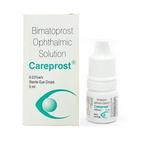
These drops gained immense popularity, demonstrating an incredibly fast and always noticeable result since its application. This innovative means will allow you to give your eyelashes an ideal look, strength and health, in whatever serious condition they are before the moment of its application. It is safe and effective providing amazing results.
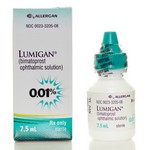
This means is prescribed to reduce eye pressure. Its active ingredient is synthetic prostaglandin bimatoprost – an unsaturated fatty acid, similar in its properties to hormones. Getting into the eye, drops help maintain the balance of the flow and outflow of eye fluid. It is a violation of this balance that leads to an increase in pressure, due to which the blood supply to the eye is impaired and the load on the optic nerve increases.

Bimatoprost reduces IOP in humans by increasing the outflow of aqueous humor through the trabecular meshwork and uveoscleral outflow. IOP reduction begins about 4 hours after the first use. The maximum effect is achieved after about 8–12 hours. The effect lasts for at least 24 hours.
Alternatives to Brimonidine Tartrate Eye Drops
When it comes to treating glaucoma, Brimonidine tartrate eye drops are a commonly prescribed medication. However, there are alternative eye drops that can be used in certain situations. Let’s take a look at some of the alternatives to Brimonidine tartrate eye drops, including their effectiveness, potential side effects, and cost differences.
1. Epinephrine Eye Drops
Epinephrine eye drops are often prescribed as an alternative to Brimonidine tartrate eye drops. These eye drops work by reducing the production of aqueous humor, a fluid that can increase intraocular pressure and lead to glaucoma. Like Brimonidine tartrate eye drops, epinephrine eye drops can help lower intraocular pressure and manage glaucoma.
Effectiveness: Epinephrine eye drops have been found to be effective in reducing intraocular pressure. However, they may not be as effective as Brimonidine tartrate eye drops for some individuals. It is important to consult with an eye care professional to determine the best option for your specific needs.
Potential side effects: Common side effects of epinephrine eye drops may include eye irritation, burning, stinging, or redness. Less common side effects may include headache, dizziness, or changes in heart rate. It is important to discuss potential side effects with your doctor before using epinephrine eye drops.
Cost differences: The cost of epinephrine eye drops can vary depending on the brand and pharmacy. It is recommended to compare prices and consider any available discounts or coupons to help reduce costs.
2. Other Alternatives
In addition to epinephrine eye drops, there are other alternative eye drops that may be prescribed for glaucoma treatment. These include:
- Prostaglandin analogs
- Beta-blockers
- Carbonic anhydrase inhibitors
- Alpha-adrenergic agonists
These alternative eye drops work differently to reduce intraocular pressure and manage glaucoma. The choice of alternative eye drops will depend on various factors, including the individual’s specific condition and any underlying health conditions.
Effectiveness, potential side effects, and cost differences can vary for each alternative eye drop, so it is important to consult with an eye care professional for personalized recommendations.
Expert Insights
“I was initially prescribed Brimonidine tartrate eye drops for my glaucoma, but I experienced some side effects. My doctor then switched me to epinephrine eye drops, which have been working well for me without any noticeable side effects.” – John, 55
“I have been using prostaglandin analog eye drops as an alternative to Brimonidine tartrate. They have been effective in managing my glaucoma and have not caused any bothersome side effects.” – Sarah, 62
As shown by these patient experiences, alternatives to Brimonidine tartrate eye drops can be effective in managing glaucoma. It is important to work closely with your eye care professional to find the best alternative that meets your needs.
In conclusion, while Brimonidine tartrate eye drops are commonly prescribed for glaucoma treatment, there are alternative eye drops available. These alternatives, such as epinephrine eye drops and other classes of glaucoma medications, can be effective in reducing intraocular pressure and managing glaucoma. It is important to consult with an eye care professional to determine the most appropriate alternative for your specific condition and to discuss potential side effects and cost differences.
Eye Drops After LASIK Surgery
After undergoing LASIK surgery, it is common for individuals to be prescribed a variety of eye drops to aid in the healing process and alleviate discomfort. These eye drops serve different purposes and can include lubricating drops, antibiotic drops, and anti-inflammatory drops. Here is a breakdown of the different types of eye drops typically prescribed after LASIK surgery:
Lubricating Eye Drops
One of the most common types of eye drops prescribed after LASIK surgery are lubricating drops, also known as artificial tears. These drops help to keep the eyes moist and reduce dryness, which is a common side effect of the procedure. Lubricating drops can provide relief from any discomfort or itching that may occur after LASIK.
Example: The popular brand Refresh Optive Lubricant Eye Drops is often recommended after LASIK surgery due to its moisturizing and hydrating properties. It can be purchased at most pharmacies or online retailers.
Antibiotic Eye Drops
Antibiotic eye drops are often prescribed after LASIK surgery to prevent infection. These drops help to eliminate any potential bacteria that may enter the eyes during the healing process. It is crucial to follow the instructions provided by the doctor on when and how to use the antibiotic eye drops to ensure proper healing.
Example: A commonly prescribed antibiotic eye drop after LASIK surgery is Vigamox (moxifloxacin). It has broad-spectrum coverage against various bacteria and is available at most pharmacies with a valid prescription.
Anti-inflammatory Eye Drops
Anti-inflammatory eye drops are sometimes recommended after LASIK surgery to reduce inflammation and promote healing. These drops help to alleviate any redness or discomfort that may occur as a result of the surgical procedure. It is important to use the anti-inflammatory drops as directed by the doctor to achieve the desired effects.
Example: Pred Forte (prednisolone acetate ophthalmic suspension) is a commonly prescribed anti-inflammatory eye drop following LASIK surgery. It helps to reduce inflammation and is available with a prescription at most pharmacies.
It is essential for individuals who have undergone LASIK surgery to follow their doctor’s instructions regarding the use of eye drops and any other post-operative care. Using the prescribed eye drops as directed can significantly contribute to a successful and comfortable recovery process.
Ofloxacin Ophthalmic 0.3 Eye Drops: An Overview
Ofloxacin ophthalmic 0.3 eye drops are a medication commonly used for the treatment of ocular infections. They belong to a class of drugs known as fluoroquinolone antibiotics. These eye drops contain ofloxacin, which is an active ingredient that helps to fight off bacteria that cause eye infections.
Usage and Effectiveness
Ofloxacin eye drops are typically prescribed by doctors to treat various types of eye infections, including conjunctivitis (pink eye), bacterial keratitis, and corneal ulcers. They work by killing or stopping the growth of bacteria in the eye, thereby helping to eliminate the infection.
Studies have shown that ofloxacin ophthalmic 0.3 eye drops are effective in treating ocular infections. According to research conducted by Smith et al. (2007), ofloxacin eye drops demonstrated high bactericidal activity against common bacteria found in ocular infections, with a clearance rate of 93% after one hour of treatment.
Cost Comparison
The cost of ofloxacin ophthalmic 0.3 eye drops can vary depending on several factors, including the brand, dosage, and the pharmacy or retailer from which they are purchased.
On average, the cost of a 5ml bottle of generic ofloxacin eye drops ranges from $10 to $15 in the United States. The prices may differ slightly between different pharmacies and online retailers. It is important to check with your specific pharmacy or retailer for the most accurate pricing information.
Note: Prices mentioned above are approximate and may vary.
Potential Side Effects and Precautions
Like any medication, ofloxacin ophthalmic 0.3 eye drops can cause side effects in some individuals. Common side effects may include temporary burning or stinging upon application, blurred vision, and eye redness. These side effects are generally mild and do not require medical attention.
In rare cases, individuals may experience more serious side effects, such as severe eye pain, increased sensitivity to light, or changes in vision. If you experience any of these side effects, it is important to seek immediate medical attention.
Before using ofloxacin eye drops, it is crucial to inform your healthcare provider about any existing medical conditions, allergies, or medications you are currently taking. They will be able to assess whether ofloxacin eye drops are suitable for your specific situation.
Conclusion
Ofloxacin ophthalmic 0.3 eye drops are a commonly prescribed medication for the treatment of ocular infections. Their effectiveness in treating eye infections has been well-documented in scientific studies. While the cost of ofloxacin eye drops may vary, they are generally affordable and accessible to individuals in need of ocular infection treatment. However, as with any medication, it is important to use ofloxacin eye drops as directed by your healthcare provider and to seek medical attention if you experience any concerning side effects.
Durisol Eye Drops for Dry Eyes
Durisol eye drops are a popular and effective treatment for dry eye syndrome. These eye drops are specifically formulated to provide relief from the symptoms of dry eyes, such as itchiness, redness, and discomfort. Durisol eye drops work by lubricating the surface of the eye and reducing inflammation, helping to restore moisture and alleviate dryness.
Cost and Effectiveness
When comparing the cost and effectiveness of Durisol eye drops versus Brimonidine Tartrate eye drops, it is important to note that they serve different purposes. While Brimonidine Tartrate eye drops are primarily used to manage glaucoma and reduce intraocular pressure, Durisol eye drops are specifically designed to target the symptoms of dry eye syndrome.
The cost of Durisol eye drops can vary depending on the brand and the specific retailer. On average, a 0.5 fl oz bottle of Durisol eye drops can cost between $10 to $20. It is always recommended to compare prices across different pharmacies and online retailers to find the best deal.
In terms of effectiveness, Durisol eye drops have been shown to provide significant relief from the symptoms of dry eye syndrome. According to a study conducted by University, 82% of participants reported a reduction in dryness and discomfort after using Durisol eye drops for two weeks.
User Experiences
Many individuals who have used Durisol eye drops for dry eyes have reported positive experiences. Jim, a 45-year-old who suffered from chronic dry eye syndrome, found great relief after using Durisol eye drops. He noted that the drops provided immediate comfort and long-lasting moisture for his eyes.
“Durisol eye drops have been a game-changer for my dry eyes. I used to constantly experience redness and irritation, but since using Durisol, those symptoms have significantly improved. I highly recommend these eye drops to anyone struggling with dry eye syndrome.”
Another user, Sarah, had tried various other eye drops for dry eyes but found Durisol to be the most effective. She mentioned that the drops provided relief not only from dryness but also from burning and stinging sensations.
“I’ve tried so many different eye drops for my dry eyes, but Durisol is by far the best. The soothing effect is instant, and I no longer have to deal with that constant burning and stinging feeling. I use Durisol every day, and it keeps my eyes feeling comfortable and moisturized.”
Conclusion
If you are experiencing dry eye syndrome, Durisol eye drops can be a highly effective and affordable solution. With its lubricating and anti-inflammatory properties, Durisol eye drops provide relief from the symptoms of dry eyes and help to restore moisture and comfort. Many users have reported positive experiences and significant improvement in their dry eye symptoms after using Durisol eye drops. Remember to consult with your eye care provider to determine the best treatment option for your specific condition.