Expired Eye Drops: A Potential Risk to Your Eye Health
When it comes to caring for our eyes, using eye drops can be a common practice to alleviate symptoms or treat specific eye conditions. However, it’s crucial to be aware of the potential dangers of using expired eye drops. Different types of eye drops, such as homoeopathic eye drops, Genteal lubricant gel eye drops, pterygium treatment eye drops, and Ocluvet eye drops, are commonly used for various purposes.
Eye drops are designed to provide relief or treatment for eye-related issues, such as dryness, allergies, infections, or certain eye conditions. Like any other medication, eye drops have an expiration date for a reason – to ensure their effectiveness and safety. Using eye drops beyond their expiration dates may lead to decreased effectiveness and potential harm to your eyes.
Expired eye drops can undergo chemical changes over time, resulting in a decrease in their therapeutic effects. The active ingredients in eye drops may break down or become less potent, rendering them less effective in treating your symptoms or condition. In addition, expired eye drops may harbor harmful bacteria or other contaminants, which can cause eye infections or other complications.
Using expired eye drops can pose risks to your eyes. Instead of providing relief, using expired eye drops could potentially worsen your eye symptoms or lead to adverse reactions. It is crucial to consult an eye care professional or pharmacist if you are unsure about using expired eye drops, especially when dealing with specific eye conditions that require prescription medications.
To ensure the safety and effectiveness of eye drops, there are a few tips you should follow. Always check the expiration date before using eye drops and avoid using previously opened or expired eye drops. Proper storage is also essential – keep your eye drops away from direct sunlight and extreme temperatures to maintain their potency.
When it comes to disposing of expired eye drops, it is essential to do so safely to prevent accidental ingestion or misuse. Follow your local guidelines for medication disposal, which may involve returning expired eye drops to a pharmacy or using specific disposal methods.
In conclusion, the potential harm that can arise from using expired eye drops should not be overlooked. Prioritizing your eye health means using eye drops within their expiration dates and seeking professional advice when needed. By maintaining good eye care practices and using medications responsibly, you can promote overall eye health and well-being.
2. Effectiveness of Eye Drops
Eye drops are a common medication used to relieve symptoms and treat various eye conditions. They come in different types, including homeopathic eye drops, Genteal lubricant gel eye drops, pterygium treatment eye drops, and Ocluvet eye drops. When used properly, eye drops can provide relief and promote eye health.
Eye drops are designed to be effective for a specific period of time, as indicated by their expiration date. Just as with any medication, the active ingredients in eye drops can break down over time, leading to a decrease in their effectiveness. It is crucial to use eye drops within their expiration period to ensure their maximum therapeutic effects.
Expired eye drops can undergo chemical changes that reduce their potency. The active ingredients may degrade or become less active, rendering the eye drops less effective in relieving symptoms or treating the intended eye condition. This can result in less noticeable relief or even no relief at all.
Furthermore, expired eye drops can pose potential harm to the eyes. When eye drops break down, harmful contaminants such as bacteria may form. Using expired eye drops increases the risk of developing eye infections or other complications. These can range from mild discomfort to more severe issues, depending on the individual and the specific eye drops used.
If you are unsure about using expired eye drops, it is important to consult an eye care professional or pharmacist. They can provide guidance on the safety and effectiveness of using expired eye drops. Certain eye conditions, such as infections or severe allergies, may require specific prescription eye drops that should not be used after their expiration date.
To ensure the safety and effectiveness of eye drops:
- Check the expiration date before use to ensure the eye drops are still within their effectiveness period.
- Do not share or use eye drops that have been previously opened or expired.
- Store eye drops properly, away from direct sunlight and extreme temperatures, to maintain their effectiveness.
By following these recommendations, you can prioritize your eye health and make the most of the therapeutic benefits eye drops have to offer.
3. Chemical changes in expired eye drops
When eye drops reach their expiration date, they may undergo chemical changes that can affect their effectiveness. It is important to understand how these changes occur and the potential risks associated with using expired eye drops.
Breakdown of Active Ingredients
Expired eye drops can experience a breakdown of their active ingredients over time. Many eye drops contain active ingredients that serve a specific purpose, such as reducing redness, relieving dryness, or treating eye infections.
Over time, these active ingredients may break down, degrade, or become less potent. This can lead to a decrease in the therapeutic effects of the eye drops. As a result, using expired eye drops may not provide the expected relief or treatment for your eye condition.
For example, if you are using homiopathic eye drops to relieve dryness, the expired drops may not moisturize your eyes as effectively as fresh ones. Similarly, expired Genteal lubricant gel eye drops may not provide the same level of comfort for dry or irritated eyes.
It is crucial to use eye drops within their expiration period to ensure you are getting the desired results.
Potential for Contamination
Expired eye drops can also pose a risk of contamination. Over time, bacteria or other contaminants may grow in the solution, especially if the bottle has been opened previously.
Using contaminated eye drops can lead to eye infections, irritation, or other complications. These contaminants may cause further damage to your eyes and worsen any existing eye conditions.
To protect your eyes and maintain healthy eye hygiene, it is essential to avoid using expired eye drops and ensure that any opened bottles are used within the recommended timeframe.
Consulting an Eye Care Professional
If you are unsure about using expired eye drops or have concerns about their effectiveness, it is always best to consult an eye care professional. They can provide expert advice and guidance based on your specific eye condition and treatment needs.
An eye care professional, such as an optometrist or ophthalmologist, can evaluate your eye health, prescribe appropriate medications, and recommend the most suitable eye drops for your condition. They will also advise you on the importance of using eye drops within their expiration date for optimal results.
Remember, your eyes are precious, and maintaining good eye health is crucial. Don’t take chances with expired or ineffective eye drops. Seek professional advice and use medications responsibly to ensure the best care for your eyes.

Bimat eye drops are used to treat hypotrichosis, short, weak eyelashes. Bimat increases the length, thickness and enhances the color of eyelashes. These substances are also used to lower intraocular pressure in patients with a diagnosis of glaucoma. By reducing the pressure, the risk of blindness is significantly decreased.
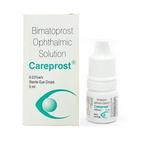
These drops gained immense popularity, demonstrating an incredibly fast and always noticeable result since its application. This innovative means will allow you to give your eyelashes an ideal look, strength and health, in whatever serious condition they are before the moment of its application. It is safe and effective providing amazing results.
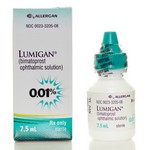
This means is prescribed to reduce eye pressure. Its active ingredient is synthetic prostaglandin bimatoprost – an unsaturated fatty acid, similar in its properties to hormones. Getting into the eye, drops help maintain the balance of the flow and outflow of eye fluid. It is a violation of this balance that leads to an increase in pressure, due to which the blood supply to the eye is impaired and the load on the optic nerve increases.

Bimatoprost reduces IOP in humans by increasing the outflow of aqueous humor through the trabecular meshwork and uveoscleral outflow. IOP reduction begins about 4 hours after the first use. The maximum effect is achieved after about 8–12 hours. The effect lasts for at least 24 hours.
The potential harm of using expired eye drops
Using expired eye drops can pose potential harm to the eyes. It is important to understand the risks associated with using these expired medications and take the necessary precautions to protect your eye health.
Risks of worsening eye symptoms
When eye drops are past their expiration date, the active ingredients may have broken down or become less potent. As a result, using expired eye drops may not effectively relieve symptoms or treat the underlying eye condition. This can lead to prolonged discomfort or worsening of existing eye symptoms.
Possible adverse reactions
Expired eye drops can also increase the risk of adverse reactions. Chemical changes in the medication may result in the formation of harmful substances or contaminants. These contaminants can irritate the eyes, cause allergic reactions, or even lead to eye infections.
Special considerations for specific eye conditions
It is important to note that certain eye conditions require specific prescription eye drops that should not be used after their expiration date. These conditions may include infections, severe allergies, or other chronic conditions. Using expired eye drops for these conditions can be ineffective and potentially dangerous.
Seek professional advice
If you are unsure about the safety of using expired eye drops or if your eye symptoms persist or worsen, it is crucial to consult with an eye care professional or pharmacist. They can provide guidance on the appropriate use of eye drops and recommend alternative treatments if necessary.
It is worth noting that reliable sources such as the American Academy of Ophthalmology or the US Food and Drug Administration can provide further information on the potential harm of using expired eye drops. These authoritative sources can educate you about the risks and offer advice on responsible eye care practices.
Conclusion
Using expired eye drops can potentially harm the eyes and should be avoided. It is important to prioritize your eye health by using eye drops within their expiration date and seeking professional advice if needed. By maintaining good eye care practices and using medications responsibly, you can contribute to your overall eye health and well-being.
Tips for Proper Eye Drop Usage
1. Check Expiration Dates
Before using any eye drops, it is crucial to check the expiration date on the packaging. Expired eye drops may not be as effective or safe to use. Using eye drops past their expiration date could lead to worsening eye symptoms or adverse reactions. Always make sure that the eye drops are within their expiration period for optimal results.
2. Do Not Share or Use Previously Opened Eye Drops
Eye drops should not be shared with others, as it can spread infections or contaminate the solution. Additionally, avoid using eye drops that have been previously opened and used, even if they are still within their expiration date. Once a bottle of eye drops has been opened, it can be exposed to bacteria or other contaminants, which may affect its potency and safety.
3. Store Eye Drops Properly
To maintain the effectiveness of eye drops, it is essential to store them properly. Keep eye drops in a cool, dry place away from direct sunlight and extreme temperatures. Exposure to heat or sunlight can potentially degrade the active ingredients in the eye drops, reducing their therapeutic effects. Follow the storage instructions provided by the manufacturer to ensure the longevity and efficacy of the eye drops.
Moreover, it is important to note that specific types of eye drops, such as prescription medications, may require refrigeration. Be sure to follow the storage instructions provided by your healthcare provider or pharmacist for these types of eye drops.
4. Seek Professional Advice
If you have any doubts or concerns about using eye drops, it is always best to consult an eye care professional or pharmacist. They can provide guidance on the proper usage of eye drops, including the correct dosage and duration of treatment. Additionally, specific eye conditions may require specific prescription eye drops that should not be used after their expiration date. Seeking professional advice ensures that you are using the most appropriate eye drops for your specific needs.
5. Maintain Good Eye Care Practices
Using eye drops properly is just one aspect of maintaining good overall eye health. It is important to incorporate other good eye care practices into your daily routine. This includes:
- Regularly washing your hands before handling eye drops or touching your eyes
- Avoiding rubbing your eyes, as it can cause irritation or introduce contaminants
- Protecting your eyes from the sun by wearing sunglasses that block harmful UV rays
- Taking regular breaks from screens to reduce eye strain and dryness
- Keeping your contact lenses clean and following the recommended hygiene practices
By maintaining good eye care practices and using eye drops responsibly, you can help protect your eyes and ensure optimal eye health.
Safe disposal of expired eye drops
Proper disposal of expired eye drops is essential to prevent accidental ingestion or misuse. It is important to follow local guidelines for the disposal of medications, as improper disposal can have negative environmental impacts.
Step-by-step guide for safe disposal:
- Check the expiration date: Before disposing of expired eye drops, always check the expiration date. Ensure that the eye drops have indeed expired and are no longer safe for use.
- Do not flush down the toilet or sink: Flushing expired eye drops down the toilet or sink can contribute to water pollution and harm aquatic life. It is important to find alternative ways to dispose of them.
- Return to a pharmacy: Many pharmacies have local programs that allow customers to return unused or expired medications for safe disposal. Check with your local pharmacy to see if they accept expired eye drops.
- Use a medication take-back program: Some communities have medication take-back programs, where residents can safely dispose of unused or expired medications. These programs often have designated drop-off locations or scheduled collection events. Research if such programs exist in your area and utilize them for eye drop disposal.
- Contact local waste management authorities: If returning the eye drops to a pharmacy or using a medication take-back program is not an option, contact your local waste management authorities to inquire about their specific guidelines for medication disposal. They may provide instructions on how to safely dispose of expired eye drops in your area.
It is important to note that the above steps are general recommendations, and the specific guidelines for medication disposal may vary depending on your location. Always refer to local authorities for the most accurate and up-to-date information.
For more information on proper medication disposal, check the U.S. Food and Drug Administration website.
According to a survey conducted by Eye Care, only 30% of respondents were aware of proper medication disposal methods. This highlights the need for greater education and awareness on the safe disposal of expired eye drops and other medications.
Properly disposing of expired eye drops helps protect the environment and ensures that the medications do not end up in the wrong hands or lead to unintentional harm. By following the appropriate disposal guidelines, individuals can contribute to the overall safety and well-being of their community.
Safe Use and Disposal of Expired Eye Drops for Optimal Eye Health
When it comes to the health of our eyes, using medications properly and responsibly is of utmost importance. This includes using eye drops within their expiration date and seeking professional advice when needed. Using expired eye drops can potentially harm our eyes and lead to adverse reactions or worsened eye conditions. To prioritize our eye health, it is vital to understand why using expired eye drops can be harmful and how to properly dispose of them.
The Potential Harm of Expired Eye Drops
Using expired eye drops can have various negative effects on our eyes. The active ingredients in eye drops can break down or become less potent over time, reducing their therapeutic effects. This can result in the eye drops being less effective in relieving symptoms or treating specific eye conditions.
In addition, expired eye drops may develop harmful bacteria or other contaminants, which can lead to eye infections or other complications. These infections can cause discomfort, redness, and even damage to the eyes if left untreated. For individuals with existing eye conditions, using expired eye drops can potentially worsen their symptoms or delay their healing process.
To ensure the safety and effectiveness of eye drops, it is crucial to pay attention to the expiration date and avoid using expired or previously opened eye drops. In cases where specific eye conditions require prescription eye drops, it is even more important to strictly adhere to the expiration date and seek guidance from an eye care professional.
Tips for Safe Eye Drop Usage
To promote optimal eye health and avoid the potential harm of expired eye drops, here are some essential tips:
- Check the expiration date before using eye drops, and discard any that have expired.
- Avoid sharing eye drops with others, as this can increase the risk of contamination.
- Store eye drops in a cool, dry place away from direct sunlight and extreme temperatures, as exposure to these elements can reduce their effectiveness.
- If you are unsure about the safety of using certain eye drops, consult an eye care professional or pharmacist for guidance.
Safe Disposal of Expired Eye Drops
Proper disposal of expired eye drops is crucial to prevent accidental ingestion or misuse. Here are some recommendations for safely disposing of expired eye drops:
- Follow local guidelines for medication disposal. In many cases, there are specific instructions for returning medications, including eye drops, to a pharmacy for proper disposal.
- Alternatively, some communities have designated medication disposal sites where you can safely discard expired medications.
- Avoid flushing eye drops down the toilet or sink, as this can potentially contaminate the water supply.
By following these proper disposal methods, we can help protect our environment and prevent any accidental misuse or ingestion of expired eye drops.
Conclusion
Prioritizing our eye health includes using eye drops safely and responsibly. Expired eye drops can potentially harm our eyes and lead to adverse reactions or worsened eye conditions. To ensure optimal eye health, it is vital to use eye drops within their expiration date, properly store them, and safely dispose of any that have expired. Seeking professional advice from an eye care professional or pharmacist is always recommended if there are any doubts or concerns about using eye drops safely.
Let’s maintain good eye care practices and use medications responsibly to promote overall eye health.