Cheap Eye Drops for Dry Eyes
Dry eyes can be a common issue for many individuals, causing discomfort and irritation. Fortunately, there are affordable and effective eye drops available that can provide relief. Understanding the importance of eye drops for dry eyes, the benefits of using cheap options, and knowing which brands are recommended can help you find the right solution for your needs.
Importance of Eye Drops for Dry Eyes
Eye drops play a crucial role in lubricating the eyes and providing relief from dryness. They work by moisturizing the surface of the eyes, reducing irritation, and promoting tear production. Using eye drops regularly can help alleviate symptoms such as redness, itching, and a sandy or gritty sensation.
Benefits of Using Cheap Eye Drops
Opting for affordable eye drops does not mean compromising on quality. Cheap eye drops can provide the same level of relief as more expensive brands, making them a cost-effective option. By choosing inexpensive eye drops, you can manage your dry eye symptoms without breaking the bank.
Recommended Cheap Eye Drops for Dry Eyes
When selecting cheap eye drops for dry eyes, it’s important to choose a brand that is safe, effective, and trusted. Here are a few recommended options:
- Refresh Tears Lubricant Eye Drops: These eye drops provide long-lasting comfort and relief from dry eyes. They are formulated to mimic natural tears and can be used as often as needed.
- Blink Tears Lubricating Eye Drops: These eye drops are designed to soothe and hydrate dry eyes. They offer immediate relief and can help protect the eyes from further irritation.
- Systane Ultra Lubricant Eye Drops: These eye drops provide extended dry eye relief and help relieve the symptoms of burning and irritation. They offer long-lasting hydration and are suitable for use with contact lenses.
How to Properly Use Cheap Eye Drops for Dry Eyes
To get the most benefit from your cheap eye drops, it’s important to use them correctly. Here are some steps to follow:
- Wash your hands thoroughly before handling the eye drops.
- Tilt your head back and pull down your lower eyelid to create a small pocket.
- Hold the eye drop bottle upside down and squeeze one drop into the pocket of your lower eyelid. Be careful not to touch your eye or eyelid with the tip of the bottle to prevent contamination.
- Blink a few times to help spread the eye drop evenly over your eye.
- If using multiple eye drops, wait at least 5 minutes between each drop to allow them to fully absorb.
- After applying the eye drops, gently press your finger against the corner of your eye near the nose to prevent the drops from draining into your tear duct.
- Replace the cap tightly on the eye drop bottle and store it in a cool, dry place.
By following these steps and using the recommended cheap eye drops, you can effectively manage your dry eye symptoms and enjoy increased comfort throughout the day. However, if your symptoms persist or worsen, it’s important to consult with an eye doctor for further evaluation and guidance.
Treating Red Eyes Without Eye Drops
Red eyes can be caused by various factors, including allergies, dryness, lack of sleep, irritants, and infections. While eye drops are a popular and effective solution for red eyes, there are also alternative home remedies and lifestyle changes that can provide relief. Here are some options to consider:
1. Home Remedies for Red Eyes:
– Cold compress: Applying a cold compress to your eyes can help reduce redness and soothe irritation. You can use a clean washcloth soaked in cold water or chilled cucumber slices.
– Warm compress: If your red eyes are caused by dryness, a warm compress can help improve circulation and relieve discomfort. Use a clean washcloth soaked in warm water and gently place it over your closed eyes.
– Tea bags: Green or chamomile tea bags can have anti-inflammatory properties and reduce redness. Steep the tea bags in hot water, let them cool, and place them over your closed eyes for 10-15 minutes.
– Eyelid massage: Gently massaging your eyelids can help stimulate tear production and relieve redness caused by dry eyes. Use clean fingers and apply gentle pressure in circular motions.
2. Lifestyle Changes to Prevent Red Eyes:
– Avoid irritants: If you’re prone to red eyes, try to identify and avoid triggers such as smoke, dust, pollen, and pet dander.
– Use a humidifier: Dry air can exacerbate redness and dry eyes. Using a humidifier can help add moisture to the air and prevent dryness.
– Follow the 20-20-20 rule: If you spend a lot of time staring at screens, take regular breaks every 20 minutes and look at something 20 feet away for 20 seconds. This can help reduce eye strain and prevent redness.
– Get enough sleep: Lack of sleep can lead to red and tired-looking eyes. Make sure you’re getting adequate rest and practicing good sleep hygiene.
3. When to Visit an Eye Doctor for Red Eyes:
While most cases of red eyes can be self-treated, it’s important to consult an eye doctor if:
- The redness persists for more than a few days
- You experience severe pain or vision changes
- The redness is accompanied by discharge or swelling
- You have a pre-existing eye condition or are on medication that may affect your eyes
An eye doctor can provide a proper diagnosis and recommend suitable treatment options.
Neopolydex Eye Drops: Uses, Benefits, Side Effects, and Proper Usage
Neopolydex eye drops are a popular medication used to treat various eye conditions. They are a combination of three different active ingredients: neomycin sulfate, polymyxin B sulfate, and dexamethasone. These drops provide a broad-spectrum antibacterial effect, which helps to combat infections in the eyes.
Uses and Benefits of Neopolydex Eye Drops
Neopolydex eye drops are commonly prescribed by healthcare professionals for the treatment of bacterial eye infections, such as conjunctivitis, blepharitis, and other inflammatory conditions. This medication helps to relieve symptoms like redness, itching, swelling, and discharge. It is important to note that Neopolydex eye drops should only be used under the guidance of a healthcare professional.
The benefits of using Neopolydex eye drops include:
- Effectiveness against a wide range of bacteria: Neopolydex eye drops contain both neomycin sulfate and polymyxin B sulfate, which work together to provide a broad-spectrum antibacterial effect. This makes them effective against many different types of bacteria commonly found in eye infections.
- Rapid relief of symptoms: The dexamethasone in Neopolydex eye drops helps to reduce inflammation and provides quick relief from symptoms such as redness, itching, and swelling.
- Convenient and easy to use: Neopolydex eye drops come in a convenient dropper bottle, making it easy to administer the correct dosage. The drops should be applied directly into the affected eye(s) as directed by a healthcare professional.
Possible Side Effects and Precautions
While Neopolydex eye drops are generally safe and well-tolerated, there are some potential side effects and precautions to be aware of:
- Allergic reactions: Some individuals may be allergic to neomycin sulfate or other ingredients in the eye drops. If you experience any signs of an allergic reaction, such as itching, swelling, or difficulty breathing, seek medical attention immediately.
- Prolonged use: Long-term use of Neopolydex eye drops may increase the risk of developing secondary infections or other eye conditions. It is important to follow the recommended dosage and duration of treatment as prescribed by a healthcare professional.
It is essential to inform your healthcare provider about any pre-existing medical conditions or medications you are currently taking before using Neopolydex eye drops. This will help ensure that there are no potential interactions or contraindications.
Proper Usage of Neopolydex Eye Drops
When using Neopolydex eye drops, it is important to follow the instructions provided by your healthcare professional. Here are some general guidelines for proper usage:
- Wash your hands thoroughly before handling the bottle or touching your eyes.
- Gently shake the bottle to ensure the contents are well-mixed.
- Tilt your head back slightly and pull the lower eyelid down to create a small pocket.
- Squeeze the prescribed number of drops into the pocket created by the lower eyelid.
- Avoid touching the eye or surrounding areas with the tip of the dropper to prevent contamination.
- Close your eyes gently and apply slight pressure to the inner corner of the eye to prevent the solution from draining out.
- Keep your eyes closed for a few minutes to allow the medication to spread evenly across the eye surface.
- Wipe away any excess solution around the eye with a clean tissue or cotton swab.
- Replace the cap tightly on the bottle to prevent contamination.
If you have any questions or concerns about using Neopolydex eye drops, consult your healthcare professional or pharmacist for further guidance.
In conclusion, Neopolydex eye drops are a commonly used medication for the treatment of bacterial eye infections. They offer a broad-spectrum antibacterial effect and rapid relief of symptoms. However, proper usage and adherence to the recommended dosage are essential for safe and effective treatment. Always consult with a healthcare professional before using any medication.

Bimat eye drops are used to treat hypotrichosis, short, weak eyelashes. Bimat increases the length, thickness and enhances the color of eyelashes. These substances are also used to lower intraocular pressure in patients with a diagnosis of glaucoma. By reducing the pressure, the risk of blindness is significantly decreased.
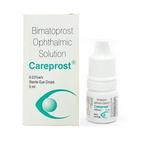
These drops gained immense popularity, demonstrating an incredibly fast and always noticeable result since its application. This innovative means will allow you to give your eyelashes an ideal look, strength and health, in whatever serious condition they are before the moment of its application. It is safe and effective providing amazing results.
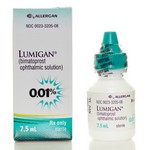
This means is prescribed to reduce eye pressure. Its active ingredient is synthetic prostaglandin bimatoprost – an unsaturated fatty acid, similar in its properties to hormones. Getting into the eye, drops help maintain the balance of the flow and outflow of eye fluid. It is a violation of this balance that leads to an increase in pressure, due to which the blood supply to the eye is impaired and the load on the optic nerve increases.

Bimatoprost reduces IOP in humans by increasing the outflow of aqueous humor through the trabecular meshwork and uveoscleral outflow. IOP reduction begins about 4 hours after the first use. The maximum effect is achieved after about 8–12 hours. The effect lasts for at least 24 hours.
Is it bad to use Rohto eye drops everyday?
Rohto eye drops are a popular choice for individuals looking to relieve dryness, redness, and irritation in their eyes. However, it is important to consider the frequency of use and potential risks associated with using Rohto eye drops every day.
Overview of Rohto eye drops
Rohto eye drops are a brand of over-the-counter eye drops that are known for their cooling and refreshing sensation. They are formulated with ingredients such as menthol and camphor, which provide a soothing effect to the eyes.
Frequency of use for Rohto eye drops
According to the manufacturer’s instructions, Rohto eye drops can be used up to four times daily. It is important to follow these guidelines and not exceed the recommended dosage. Overuse of eye drops, including Rohto eye drops, can lead to dependency and potential rebound effects, where the symptoms worsen after the eye drops wear off.
Potential risks of using Rohto eye drops daily
While using Rohto eye drops every day may provide temporary relief for dry, tired eyes, there are potential risks to be aware of:
- Dependency: Overuse of eye drops, including Rohto eye drops, can lead to a dependency on the drops for continuous relief. This can result in a vicious cycle where the eyes become reliant on the drops and do not produce sufficient tears naturally.
- Rebound redness: Rebound redness is a common side effect of overusing eye drops, including Rohto eye drops. This occurs when the blood vessels in the eyes become dilated, causing increased redness and irritation.
- Eye irritation: Some individuals may experience eye irritation or allergies to the ingredients in Rohto eye drops. It is important to read the label carefully and discontinue use if any adverse reactions occur.
Recommended alternatives for daily eye care
If you are looking for alternatives to using Rohto eye drops every day, there are several options available:
- Preservative-free artificial tears: Preservative-free artificial tears provide lubrication to the eyes without the potential risks associated with long-term use of Rohto eye drops. These can be used multiple times a day as needed.
- Warm compress: Applying a warm compress to the eyes can help stimulate natural tear production and provide relief for dry eyes.
- Hydration and lifestyle changes: Drinking plenty of water and maintaining a healthy lifestyle can promote overall eye health and reduce the need for eye drops.
It is important to consult with an eye doctor or healthcare professional to determine the best course of action for your specific eye care needs.
Choosing the right eye drops for your needs
When it comes to selecting the right eye drops for your needs, there are a few important factors to consider. With so many options available on the market, it can be overwhelming to choose the one that is best suited for you. Here are some key points to keep in mind:
Types of eye drops available
There are different types of eye drops, each designed to address specific eye conditions. Some common types include:
- Lubricating eye drops: These are often used for dry eyes and provide temporary relief by moisturizing the eyes.
- Allergy eye drops: These are formulated to relieve itching, redness, and irritation caused by seasonal or environmental allergies.
- Antibiotic eye drops: These are used to treat bacterial eye infections, such as pink eye.
- Prescription eye drops: These are prescribed by an eye doctor to treat specific eye conditions, such as glaucoma or inflammation.
Factors to consider when selecting eye drops
When choosing eye drops, it’s important to consider the following factors:
- Symptoms: Identify the specific symptoms you are experiencing, such as dryness, redness, or itching, and choose eye drops that target those symptoms.
- Active ingredients: Look for eye drops that contain active ingredients known to be effective for your specific condition. For example, if you have allergies, look for antihistamine ingredients like ketotifen or olopatadine.
- Single-use vs. multi-use: Some eye drops come in single-use vials, which can be more convenient and reduce the risk of contamination. However, they may be more expensive in the long run compared to multi-use bottles.
- Preservatives: If you need to use eye drops frequently or have sensitive eyes, consider preservative-free options to reduce the risk of irritation.
How to read and understand eye drop labels
Reading and understanding eye drop labels is essential to make an informed decision. Here are a few tips:
- Look for the specific eye condition the eye drops are designed to treat.
- Note the active ingredients and their concentrations.
- Check for any warnings or precautions, such as avoiding use while wearing contact lenses.
- Pay attention to the expiration date to ensure the effectiveness of the eye drops.
It is also advisable to consult with an eye doctor or pharmacist for personalized recommendations based on your specific needs and medical history. They can provide guidance on selecting the most suitable eye drops for you.
Using Eye Drops Safely and Effectively
When it comes to using eye drops, it’s important to do so safely and effectively to maximize their benefits and minimize any potential risks. Here are some guidelines to follow:
1. Proper Technique for Applying Eye Drops
Using eye drops correctly can ensure that the medication reaches the eye and provides the intended relief. Here’s how to apply eye drops properly:
- Wash your hands thoroughly before handling the eye drops.
- Gently tilt your head back and look up toward the ceiling.
- Gently pull down your lower eyelid to create a small pocket.
- Squeeze the prescribed number of eye drops into the pocket formed by the lower eyelid.
- Avoid touching the dropper tip to your eye or any other surface to prevent contamination.
- Close your eyes for a minute or two to allow the eye drops to spread evenly.
- Wipe away any excess liquid around your eyes with a clean tissue.
2. Precautions and Potential Side Effects of Eye Drops
While eye drops are generally safe, it’s important to be aware of potential side effects and take necessary precautions:
- Follow the instructions provided by your healthcare professional or as indicated on the eye drop packaging.
- If you experience any unusual symptoms or discomfort after using eye drops, such as eye irritation or vision changes, discontinue use and consult your healthcare professional.
- Some eye drops may cause temporary stinging or blurred vision. This is usually normal and should subside quickly. If the symptoms persist or worsen, seek medical advice.
- Avoid using expired eye drops as they may not be as effective and could potentially cause harm.
3. Storage and Expiration Dates for Eye Drops
Proper storage of eye drops is essential to maintain their effectiveness:
- Store eye drops as instructed on the packaging, usually at room temperature.
- Avoid exposing eye drops to extreme temperatures or direct sunlight, as this can affect their potency.
- Check the expiration date on the packaging and discard any eye drops that have expired.
4. Tips for Maintaining Eye Drop Hygiene
To prevent contamination and ensure the cleanliness of your eye drops, consider the following tips:
- Avoid sharing your eye drops with others to prevent the spread of infection.
- Do not touch the dropper tip with your fingers or any other surface to avoid introducing bacteria into the solution.
- If using multiple eye drops, wait at least 10 minutes between different types of drops to allow each one to be absorbed properly.
- Regularly clean the cap or dropper tip of your eye drop bottle to remove any residue or buildup.
Remember, if you have any concerns or questions about using eye drops, it’s always best to consult with your healthcare professional or optometrist for personalized advice.
Final Thoughts on Eye Drops and Eye Care
Eye drops play a crucial role in maintaining eye health and providing relief from various eye conditions and discomfort. However, it’s essential to remember that they are not a substitute for professional eye care. Regular eye exams are essential to detect any underlying issues and monitor the overall health of your eyes.
Incorporating good eye care habits into your daily routine is vital for your long-term eye health. This includes:
1. Protecting Your Eyes from the Sun
UV rays from the sun can cause damage to your eyes, leading to vision problems and conditions such as cataracts. To protect your eyes, wear sunglasses that offer 100% UV protection whenever you are outdoors. Look for sunglasses with a UV 400 rating, which provides optimal protection against both UVA and UVB rays.
2. Practicing Good Hygiene
To prevent eye infections, make sure to wash your hands thoroughly before touching your eyes or applying eye drops. Avoid sharing eye drops or any other eye-related products to reduce the risk of cross-contamination.
3. Resting Your Eyes
Excessive screen time, whether it’s from computers, smartphones, or televisions, can strain your eyes and contribute to dryness and discomfort. Take regular breaks and follow the 20-20-20 rule: Every 20 minutes, look away from your screen and focus on something at least 20 feet away for 20 seconds.
4. Maintaining a Healthy Lifestyle
A well-balanced diet rich in nutrients, particularly those essential for eye health, such as vitamin C, vitamin E, omega-3 fatty acids, and lutein, can help maintain good vision and prevent age-related eye diseases. Regular exercise and quitting smoking are also beneficial for your eye health.
If you experience persistent eye discomfort, redness, or any changes in your vision, it’s important to seek professional advice from an eye doctor. They can provide a comprehensive examination and recommend the most suitable treatment options for your specific needs.
When using any eye drops, carefully follow the instructions provided by the manufacturer or your healthcare professional. Incorrect use of eye drops or prolonged use without medical advice can lead to adverse effects.
Remember, while eye drops can provide temporary relief, they are not a cure-all solution. It’s crucial to address any underlying eye conditions or concerns with the guidance of a qualified eye care professional.
By prioritizing regular eye exams, adopting good eye care practices, and seeking professional advice when needed, you can ensure the long-term health and well-being of your eyes.