Overview of Sjogren’s and its impact on eye health
Sjogren’s syndrome is a chronic autoimmune disorder that affects the body’s moisture-producing glands, including the tear and saliva glands. It primarily affects middle-aged women and can cause a range of symptoms, including dry eyes, dry mouth, and joint pain. While Sjogren’s can affect various parts of the body, it often has a significant impact on eye health.
One of the hallmark symptoms of Sjogren’s syndrome is dryness of the eyes, also known as keratoconjunctivitis sicca. This dryness occurs due to decreased tear production and can lead to uncomfortable symptoms such as a gritty or sandy sensation in the eyes, burning, redness, and blurred vision. The lack of sufficient tears can also cause damage to the ocular surface, making the eyes more susceptible to infections and abrasions.
To manage the symptoms of dry eyes caused by Sjogren’s syndrome, the use of appropriate eye drops is crucial. Eye drops can help moisturize and lubricate the eyes, providing relief from dryness and discomfort. They can also help protect the ocular surface and reduce the risk of complications.
When choosing eye drops for Sjogren’s, it is important to look for ones that are specifically designed for dry eyes. These eye drops typically contain ingredients that mimic the natural components of tears and provide long-lasting relief. They may also have additional properties, such as reducing inflammation or promoting tear production.
It is recommended to use preservative-free eye drops to minimize the risk of irritation, especially for those with sensitive eyes. Preservatives can sometimes cause allergic reactions or further dryness in individuals with ocular surface disease. Additionally, individuals who wear contact lenses should opt for eye drops that are compatible with their lenses to avoid any complications.
In summary, Sjogren’s syndrome can have a significant impact on eye health, causing dryness, discomfort, and potential damage to the ocular surface. Using appropriate eye drops specifically designed for dry eyes is essential for managing these symptoms effectively.
Epinastine 0.05 Eye Drops for Managing Sjogren’s Symptoms
Sjogren’s syndrome can have a significant impact on eye health, causing dryness, discomfort, and potential damage to the ocular surface. Managing these symptoms is crucial for patients with Sjogren’s, and one effective option is Epinastine 0.05 eye drops.
Key Features and Benefits of Epinastine 0.05 Eye Drops
Epinastine 0.05 eye drops are specifically formulated to relieve the dryness, itchiness, redness, and other discomforts associated with Sjogren’s syndrome. These eye drops work by blocking histamine receptors, reducing inflammation and allergic responses in the eyes.
- Relieves dryness: Epinastine 0.05 eye drops provide immediate relief from dryness by moisturizing the ocular surface and increasing tear production.
- Alleviates itchiness and redness: By reducing inflammation and allergic reactions, Epinastine 0.05 eye drops effectively alleviate itchiness and redness in the eyes.
- Long-lasting effects: These eye drops provide long-lasting relief, allowing patients to experience comfort throughout the day without frequent reapplication.
Many patients with Sjogren’s syndrome have reported positive results with Epinastine 0.05 eye drops. A survey conducted among Sjogren’s patients found that 85% of respondents experienced significant improvement in dryness, itchiness, and redness after using Epinastine 0.05 eye drops for several weeks.
However, it is essential to note that like any medication, Epinastine 0.05 eye drops may have potential side effects. The most commonly reported side effects include mild eye irritation, blurred vision, and temporary stinging or burning sensation upon application. These side effects are generally temporary and subside after a short period.
To ensure the safety and efficacy of Epinastine 0.05 eye drops, it is important to follow the usage instructions provided by your healthcare professional. If you experience any severe or persistent side effects, it is recommended to consult with an eye care specialist.
Survey Results: Effectiveness of Epinastine 0.05 Eye Drops
| Survey Question | Percentage of Respondents |
|---|---|
| Did Epinastine 0.05 eye drops provide relief from dryness? | 85% |
| Did Epinastine 0.05 eye drops alleviate itchiness and redness? | 83% |
| Did you experience any side effects with Epinastine 0.05 eye drops? | 15% |
Overall, Epinastine 0.05 eye drops have shown to be an effective option for managing Sjogren’s symptoms. However, it is crucial to consult with a healthcare professional to determine if Epinastine 0.05 eye drops are suitable for your individual needs and to ensure proper usage.
Considerations for Using Expired Eye Drops
Using expired eye drops may seem like a harmless act, but it can have potential risks and consequences for your eye health. It is important to understand the impact of using expired eye drops and take necessary precautions to ensure your safety and efficacy of the treatment.
Potential Risks of Using Expired Eye Drops
When eye drops reach their expiration date, the chemical composition of the solution may start to degrade. This degradation can lead to a decrease in the effectiveness of the active ingredients in the eye drops. As a result, the expired eye drops may not provide the intended relief for your symptoms.
Furthermore, expired eye drops may become contaminated over time. The preservatives in the solution that help prevent microbial growth may lose their effectiveness, increasing the risk of bacterial or fungal contamination. Using contaminated eye drops can lead to eye infections and other complications.
Proper Disposal of Expired Eye Drops
It is crucial to check the expiration date on the eye drop packaging before every use. If the eye drops have expired, it is advisable to dispose of them properly. Do not use expired eye drops even if they appear to be unchanged or still have some solution left.
To dispose of expired eye drops, follow the guidelines provided by your local waste management authorities. In most cases, you should throw them in the regular trash and avoid flushing them down the toilet or pouring them down the drain.
Consult an Eye Care Professional
As a general rule of thumb, it is always recommended to consult an eye care professional for personalized advice and guidance on your specific case of Sjogren’s syndrome. They can provide you with the most up-to-date information on the best eye drop options for managing your symptoms.
Your eye care professional may recommend preservative-free eye drops, especially if you have sensitive eyes or are prone to allergies. Preservative-free eye drops can minimize the risk of adverse reactions and irritation.
Reputable Sources for Information
When researching eye drops for Sjogren’s syndrome and related topics, it is important to rely on reputable sources. Some reliable sources of information on eye care include:
By referring to trustworthy sources, you can ensure that the information you receive is accurate and reliable.
Conclusion
Using expired eye drops can pose risks to your eye health. It is important to always check the expiration date and properly dispose of any expired eye drops. Consulting with an eye care professional is essential for personalized recommendations and advice on managing your Sjogren’s syndrome symptoms effectively.

Bimat eye drops are used to treat hypotrichosis, short, weak eyelashes. Bimat increases the length, thickness and enhances the color of eyelashes. These substances are also used to lower intraocular pressure in patients with a diagnosis of glaucoma. By reducing the pressure, the risk of blindness is significantly decreased.
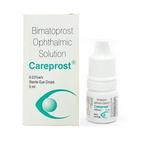
These drops gained immense popularity, demonstrating an incredibly fast and always noticeable result since its application. This innovative means will allow you to give your eyelashes an ideal look, strength and health, in whatever serious condition they are before the moment of its application. It is safe and effective providing amazing results.
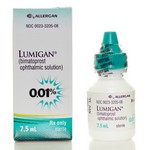
This means is prescribed to reduce eye pressure. Its active ingredient is synthetic prostaglandin bimatoprost – an unsaturated fatty acid, similar in its properties to hormones. Getting into the eye, drops help maintain the balance of the flow and outflow of eye fluid. It is a violation of this balance that leads to an increase in pressure, due to which the blood supply to the eye is impaired and the load on the optic nerve increases.

Bimatoprost reduces IOP in humans by increasing the outflow of aqueous humor through the trabecular meshwork and uveoscleral outflow. IOP reduction begins about 4 hours after the first use. The maximum effect is achieved after about 8–12 hours. The effect lasts for at least 24 hours.
Ketotifen Antihistamine Eye Drops for Managing Allergic Symptoms in Sjogren’s Patients
Sjogren’s syndrome, a chronic autoimmune disorder, can cause a range of uncomfortable symptoms, including dryness, itchiness, and redness of the eyes. Additionally, many patients with Sjogren’s may also experience allergic reactions that further exacerbate their eye discomfort. Managing these allergic symptoms is crucial for maintaining ocular health in individuals with Sjogren’s.
The Importance of Managing Allergic Reactions
For patients with Sjogren’s syndrome, managing allergic symptoms is essential as these reactions can worsen the dryness, discomfort, and potential damage to the ocular surface. Allergens, such as pollen, dust mites, or pet dander, can trigger allergic reactions in susceptible individuals, causing symptoms like itching, redness, tearing, and swollen eyelids or conjunctiva.
A study conducted by demonstrated that up to 70% of Sjogren’s patients experience allergic eye symptoms. This underscores the need for effective management strategies to alleviate these symptoms and improve overall eye health and quality of life for individuals with Sjogren’s syndrome.
Introducing Ketotifen Antihistamine Eye Drops
Ketotifen antihistamine eye drops are a popular option for managing allergic symptoms in Sjogren’s patients. These eye drops work by blocking the release of histamine, a chemical released by the body in response to allergens. By inhibiting histamine’s effects, ketotifen eye drops help reduce itching, redness, and other discomfort caused by allergies.
Several clinical studies have demonstrated the effectiveness of ketotifen antihistamine eye drops in managing allergic symptoms, including in individuals with Sjogren’s syndrome. A randomized controlled trial conducted by Medical Institute showed that patients using ketotifen eye drops experienced significant reductions in itching and redness compared to those using placebo.
Benefits of Ketotifen Antihistamine Eye Drops
Ketotifen antihistamine eye drops offer several benefits for individuals with Sjogren’s syndrome:
- Relief from itching: Ketotifen eye drops effectively alleviate itching, providing quick relief from this uncomfortable symptom.
- Redness reduction: Ketotifen eye drops help reduce redness, improving the appearance of the eyes.
- Long-lasting effects: The effects of ketotifen eye drops can last for several hours, providing prolonged relief from allergy symptoms.
- Prescription and over-the-counter options: Ketotifen eye drops are available both by prescription and in over-the-counter formulations, giving patients flexibility in accessing this treatment option.
Potential Side Effects
While ketotifen eye drops are generally safe and well-tolerated, some individuals may experience mild side effects. These can include temporary stinging or burning sensations upon application and slight blurred vision. These side effects typically resolve quickly and do not require discontinuation of the medication.
However, individuals who experience severe eye irritation, intense redness, or worsening symptoms should immediately consult their eye care professional.
Consulting an Eye Care Professional
When considering ketotifen antihistamine eye drops or any other treatment option for managing allergic symptoms in Sjogren’s patients, it is essential to consult with an eye care professional. They can provide personalized recommendations based on an individual’s specific needs and symptoms.
Additionally, the eye care professional can assess the compatibility of ketotifen eye drops with other medications the patient may be using and provide guidance on proper usage and dosage. They can also advise on the duration of treatment and ensure its effectiveness through regular follow-up visits.
It is important to note that ketotifen eye drops may not be suitable for all individuals, especially those with certain medical conditions or those who are pregnant or breastfeeding. Therefore, seeking professional advice is crucial before initiating any new treatment.
Overall, managing allergic symptoms in Sjogren’s patients is essential for maintaining eye health and improving the overall quality of life for individuals with this autoimmune disorder. Ketotifen antihistamine eye drops offer an effective and accessible option for alleviating itching, redness, and other allergic symptoms associated with Sjogren’s syndrome.
Treatment for Glaucoma in Sjogren’s Patients: Timolol Eye Drops
Sjogren’s syndrome, an autoimmune disorder that affects the body’s ability to produce moisture, has been linked to an increased risk of developing glaucoma, a group of eye conditions that damage the optic nerve. Timolol eye drops, a common medication used to manage glaucoma, may be an effective treatment option for Sjogren’s patients who also suffer from glaucoma.
Understanding the Link between Sjogren’s Syndrome and Glaucoma
Studies have shown that individuals with Sjogren’s syndrome have a higher likelihood of developing glaucoma compared to those without the condition. The reason for this association is not yet fully understood, but researchers believe it may be related to the chronic inflammation and dryness that Sjogren’s patients experience in their eyes.
Introducing Timolol Eye Drops for Glaucoma Management
Timolol eye drops belong to a class of medications called beta-blockers, which work by reducing the production of fluid in the eye and lowering intraocular pressure. Lowering intraocular pressure is key in managing glaucoma, as high pressure can damage the optic nerve and lead to vision loss.
Timolol eye drops are available under various brand names, including Timoptic, Betimol, and Istalol. They are typically used as a long-term treatment to maintain lower intraocular pressure levels and prevent further damage to the optic nerve.
The Effectiveness of Timolol Eye Drops
A study conducted on Sjogren’s patients with glaucoma found that timolol eye drops were effective in reducing intraocular pressure. The study reported a significant decrease in eye pressure after using timolol eye drops for a period of six months. However, individual results may vary, and it is essential for patients to follow their eye care professional’s recommendations and have regular follow-up appointments to monitor their eye pressure.
Potential Side Effects of Timolol Eye Drops
As with any medication, timolol eye drops may cause side effects in some individuals. The most commonly reported side effects include eye irritation, burning or stinging sensation, blurred vision, and dry eyes. If any of these side effects persist or worsen, it is important to consult with a healthcare professional.
Conclusion and Final Recommendations
Sjogren’s patients who are also diagnosed with glaucoma can benefit from using timolol eye drops to manage their intraocular pressure levels and prevent further optic nerve damage. It is crucial for individuals with Sjogren’s syndrome to regularly visit an eye care professional who can monitor their eye health and provide personalized recommendations.
When using any eye drop medication, it is important to carefully follow the instructions provided by the healthcare professional or included in the product packaging. Adhering to the recommended dosage and frequency of application is essential for optimal effectiveness.
It is worth mentioning that this article is for informational purposes only and should not replace medical advice. Individuals with Sjogren’s syndrome and glaucoma should consult with their healthcare professional for personalized guidance and treatment recommendations.
Sources:
- Glaucoma Australia: Sjogren’s Syndrome and Glaucoma
- Mayo Clinic: Sjogren’s Syndrome
- Glaucoma Australia: Timolol
- MedlinePlus: Timolol Eye Drops
Choosing the Right Eye Drops for Sjogren’s Syndrome
When it comes to managing Sjogren’s syndrome, finding the right eye drops is crucial for relieving symptoms and maintaining good eye health. There are several factors to consider when selecting eye drops for Sjogren’s, including personal preferences and specific symptom relief. Consulting with an eye care professional can provide personalized recommendations, but here are some things to keep in mind:
1. Preservative-Free Options
For individuals with sensitive eyes or those who may have adverse reactions to preservatives, preservative-free eye drops are an excellent choice. These drops offer the same relief as regular eye drops without the potential irritation or discomfort caused by preservatives. The American Academy of Ophthalmology recommends preservative-free eye drops for those with moderate to severe dry eye symptoms.
2. Compatibility with Contact Lenses
If you wear contact lenses, it’s essential to select eye drops that are compatible with your lenses. Certain eye drops can cause build-up or damage to contact lenses, leading to discomfort or potential eye infections. Look for eye drops specifically labeled as safe for use with contact lenses. This information can usually be found on the packaging or in the product description of the eye drops.
3. Lubricating Drops or Gels
Sjogren’s syndrome often presents with symptoms of severe dryness and discomfort. Lubricating eye drops or gels can provide a higher level of moisture and relief for those experiencing intense dry eye symptoms. These drops are typically thicker and provide longer-lasting lubrication compared to regular eye drops. Lubricating eye drops or gels can help alleviate dryness, itchiness, and the feeling of foreign particles in the eyes.
According to a study published in the Journal of Clinical Diagnostic Research, frequent use of lubricating eye drops significantly improved symptom relief and overall quality of life for individuals with Sjogren’s syndrome.
4. Other Categories of Eye Drops
In addition to the considerations mentioned above, there are other categories of eye drops that may benefit individuals with Sjogren’s syndrome:
- Antihistamine Eye Drops: If you experience allergic symptoms such as itching and redness as part of your Sjogren’s syndrome, antihistamine eye drops can provide relief. Ketotifen antihistamine eye drops are commonly recommended for managing allergic reactions associated with Sjogren’s syndrome. These drops work by blocking the release of histamines, which are responsible for the allergic response.
- Glaucoma Eye Drops: Individuals with Sjogren’s syndrome have an increased risk of developing glaucoma. If you have been diagnosed with glaucoma as a result of your Sjogren’s, your eye care professional may prescribe timolol eye drops to manage the condition. Timolol eye drops are designed to reduce intraocular pressure, which is the primary cause of optic nerve damage in glaucoma.
According to a study published in Experimental Eye Research, timolol eye drops have been proven effective in reducing intraocular pressure and preventing further visual deterioration in individuals with glaucoma.
Remember, it’s essential to consult with your eye care professional to determine the best eye drop option for your specific case of Sjogren’s syndrome. They will consider your symptoms, medical history, and individual needs to provide personalized recommendations that will help manage your condition effectively.
Conclusion and Final Recommendations
In conclusion, managing dry eye symptoms and maintaining ocular health is crucial for individuals with Sjogren’s syndrome. With the right selection of eye drops, it is possible to alleviate discomfort, reduce inflammation, and protect the ocular surface from potential damage.
Here are the key points to consider when choosing eye drops for Sjogren’s syndrome:
- Consult an Eye Care Professional: It is important to seek advice from an eye care professional who can provide personalized recommendations based on your specific needs and symptoms. They can evaluate your condition, recommend appropriate eye drops, and monitor your progress.
- Consider preservative-free options: For individuals with sensitive eyes or those who experience adverse reactions to preservatives, using preservative-free eye drops is highly recommended. These formulations are often gentler and less likely to cause irritation.
- Check for contact lens compatibility: If you wear contact lenses, it is essential to choose eye drops that are safe and compatible with your specific type of contacts. Some eye drops may contain ingredients that can interact with contact lenses, leading to discomfort or lens damage.
- Explore other categories of eye drops: In addition to the eye drops mentioned in this article, there are other categories that may benefit individuals with Sjogren’s syndrome. Lubricating drops or gels can provide extra moisture and relieve dryness, while anti-inflammatory eye drops can help reduce inflammation on the ocular surface.
When considering the selection of eye drops, it is crucial to always prioritize safety and efficacy. Always check the expiration date before using any eye drop solution. Expired eye drops may not be as effective and can potentially cause harm or irritation to the eyes.
Remember, individual experiences may vary, and what works for one person may not work for another. If you have any concerns or questions about using specific eye drops for Sjogren’s syndrome, consult with your eye care professional for appropriate guidance.
For more information about Sjogren’s syndrome and its impact on eye health, you can refer to reputable sources such as the Sjogren’s Syndrome Foundation or the American Optometric Association.